




Sapphire
The Geological Formation of Sapphire
Sapphire is best understood by first examining how it forms deep within the Earth over immense spans of time. This gemstone belongs to the mineral family known as corundum and develops when aluminum rich rocks are subjected to intense heat and pressure far below the surface. During this process crystals slowly grow within metamorphic or igneous environments as molten material cools or rocks are transformed. Trace elements such as iron and titanium enter the crystal structure during growth and influence the final appearance. The slow pace of formation allows sapphire crystals to develop remarkable hardness and clarity. Natural movements of the Earth eventually bring these crystals closer to the surface where erosion releases them into riverbeds or soil layers. Understanding this formation process helps explain why sapphire is both durable and rare and why natural examples vary so widely in color and transparency.
The Chemical Composition of Sapphire
From a scientific perspective sapphire is composed primarily of aluminum oxide arranged in a tightly bonded crystal lattice. This structure gives the gemstone its well known strength and resistance to scratching. Pure corundum would appear colorless yet sapphire gains its vivid hues from minute amounts of other elements present during formation. Iron and titanium working together create the classic blue coloration while chromium can introduce pink or violet tones. These elements do not alter the fundamental structure but subtly change how light interacts with the crystal. This interaction determines depth of color brilliance and saturation. By studying composition gemologists can distinguish natural sapphire from synthetic versions and can also identify treatments. Composition is therefore essential not only to appearance but also to value and authenticity.
Primary Sources and Geographic Origins of Sapphire
Sapphire deposits are found in several regions around the world and each origin contributes unique characteristics. Sri Lanka is historically renowned for producing sapphires with bright lively colors and excellent transparency. Myanmar has long been associated with deep rich blue stones prized for their intensity. Thailand and Cambodia are known for darker tones that reflect local geological conditions. Madagascar has emerged as an important source offering a wide range of colors and qualities. In some areas sapphires are mined directly from rock while in others they are collected from alluvial deposits formed by water movement. Geographic origin influences not only color but also crystal size and internal features which makes location an important factor in gem identification and trade.
Understanding the Different Types of Sapphire
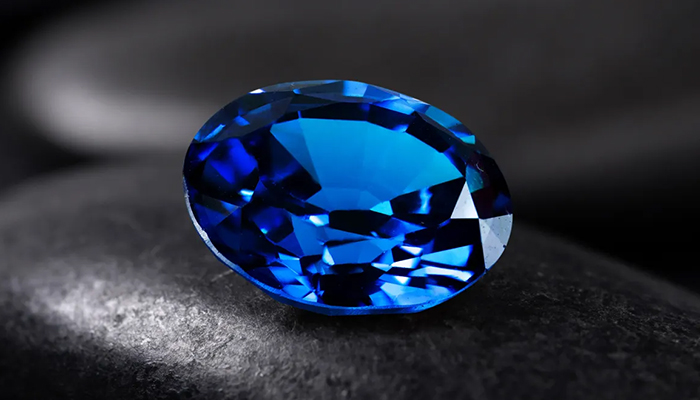
Although blue sapphire is the most recognized variety sapphire actually appears in many colors. These variations are collectively known as fancy sapphires and include yellow green pink purple and even orange hues. One particularly rare variety displays a blend of pink and orange tones that has gained significant attention in modern markets. Some sapphires exhibit optical phenomena such as color change under different lighting or a star effect caused by internal needle like inclusions. These visual traits arise from specific conditions during crystal growth. By classifying sapphire types gem experts help buyers understand rarity and value. This classification also highlights the gemstone’s remarkable diversity beyond its traditional image.
Practical and Cultural Uses of Sapphire
Sapphire has been valued for centuries for both practical and symbolic purposes. In jewelry it is favored for rings necklaces and earrings due to its hardness and ability to retain polish over time. Beyond adornment sapphire is used in technological applications such as watch crystals optical components and scientific instruments because of its durability and clarity. Culturally sapphire has symbolized wisdom loyalty and protection across many civilizations. It has been worn by royalty and associated with spiritual insight and truth. Today sapphire continues to bridge tradition and innovation serving as both a cherished gemstone and a functional material. Understanding its uses completes the picture of why sapphire remains one of the most respected stones in the world.