




Topaz
Formation of Topaz
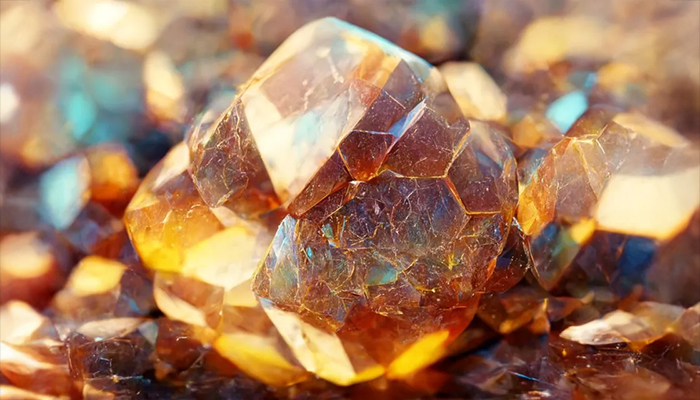
Topaz is a mineral that forms through complex geological processes, often in igneous rocks and pegmatite veins where molten material cools and solidifies slowly. The gemstone requires high temperatures and the presence of fluorine to crystallize properly, resulting in its characteristic hardness and clarity. Over time, natural forces such as erosion and tectonic shifts can expose these crystals at the Earth’s surface, allowing humans to discover and extract them. The slow formation process contributes to topaz’s well-defined crystal shapes and internal structures, which reflect the unique environmental conditions in which each stone was created.
Composition and Structure of Topaz
Topaz is composed primarily of aluminum and fluorine combined with silicon and oxygen, forming a silicate mineral with a highly stable crystal structure. Its orthorhombic crystal system creates elongated and prismatic shapes that enhance its brilliance and faceting potential. The chemical composition allows for a variety of natural colors, including golden yellow, rich brown, subtle pink, and pale blue. Some topaz can undergo natural or treated color changes, enhancing its visual appeal. The structure also provides a high level of hardness, making topaz durable for jewelry while maintaining its ability to refract light beautifully.
Topaz-Producing Regions
Significant topaz deposits are found in countries such as Brazil, Russia, Pakistan, and the United States. Brazil is particularly renowned for its golden and imperial topaz, while Russia produces clear and blue stones. Pakistan and other regions yield stones with soft hues and occasionally rare colors. The geological characteristics of each region influence the size, clarity, and coloration of the topaz, providing a diverse selection for collectors and jewelers. Access to topaz in various parts of the world has helped it maintain popularity both as a gemstone and as a component in ornamental designs.
Varieties and Unique Characteristics
Topaz exists in a variety of natural colors and qualities, with imperial topaz recognized as one of the most valuable for its intense golden to reddish tones. Blue topaz, often enhanced through treatment, is also highly sought after for its vivid and clear shades. The gemstone may display exceptional clarity and transparency, making it suitable for elaborate faceting and high-end jewelry. Some topaz exhibits a subtle change in hue under different lighting, adding to its allure. Each variety combines beauty with scientific interest, as the crystal formation process and chemical composition create distinctive optical effects.
Applications and Cultural Significance
Topaz is widely used in fine jewelry due to its brilliance, hardness, and variety of colors. Beyond aesthetics, it has been associated with meanings of love, wisdom, and strength in different cultures throughout history. Ancient civilizations believed topaz could protect the wearer from harm and inspire clarity of thought. Modern enthusiasts also value topaz for its supposed metaphysical properties, claiming it can foster calmness and emotional balance. Its combination of durability, beauty, and symbolic significance ensures topaz remains a treasured gemstone around the world.