




Diamond
Formation Deep Within the Earth
Diamond is a gemstone that originates under extreme conditions deep within the Earth’s mantle. It forms when carbon atoms are subjected to immense heat and pressure over millions of years, arranging into a tightly bonded crystal structure. This natural process produces diamonds with exceptional hardness and brilliance. Geological activity eventually brings these diamonds closer to the surface, either embedded in volcanic rock formations known as kimberlites or transported to alluvial deposits by rivers and erosion. Understanding this formation process explains why natural diamonds are rare and why each stone carries a unique structure that affects its clarity and sparkle.
Chemical Structure and Composition
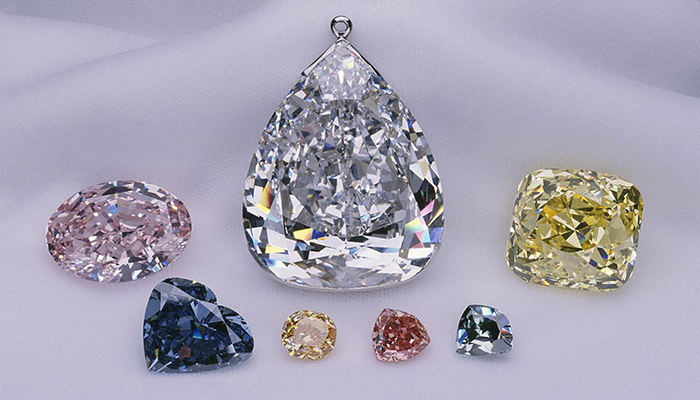
Diamonds are composed entirely of carbon, arranged in a crystal lattice that gives them unmatched hardness and a distinctive ability to refract light. This structure makes diamonds resistant to scratching and allows them to achieve remarkable brilliance when cut. Variations in trace elements or structural defects can produce different colors, including yellow, blue, pink, and rare red diamonds. Gemologists examine these features to authenticate natural diamonds, identify treatments, and assess value. The combination of chemical purity and crystal perfection defines both the beauty and durability that make diamonds highly sought after.
Major Sources
Diamonds are mined in specific regions around the world, each producing stones with unique qualities. Africa has historically been the largest source, with countries such as Botswana, South Africa, and Angola providing high quality diamonds. Russia and Canada have emerged as important producers, offering stones with distinct clarity and size characteristics. Diamonds can be extracted directly from volcanic rock or gathered from alluvial deposits where natural forces have concentrated them. The source of a diamond influences its size, clarity, and color, which in turn affects market value and desirability.
Varieties and Characteristics
Diamonds are renowned for their brilliance and fire, but they also exhibit a variety of colors, clarity grades, and carat sizes. The internal features, known as inclusions, and external surface characteristics determine transparency and sparkle. Some diamonds display unique optical phenomena such as fluorescence, which can alter their appearance under different lighting. Understanding these visual and physical traits allows experts to classify diamonds effectively, assess rarity, and determine value. This diversity ensures that each diamond is unique, both scientifically and aesthetically.
Uses and Cultural Significance
Diamonds are highly valued not only for jewelry but also for their industrial applications due to their unmatched hardness. In adornment, they are used in rings, necklaces, bracelets, and earrings, often symbolizing love, status, and wealth. Beyond aesthetics, diamonds are applied in cutting tools, precision instruments, and scientific equipment. Culturally, diamonds have represented strength, eternity, and purity across civilizations, making them central to traditions, engagements, and celebrations. Recognizing both practical and symbolic uses highlights why diamonds remain one of the most treasured and admired gemstones in the world.