




Aquamarine
Geological Formation
Aquamarine is a captivating gemstone that forms deep within the Earth over millions of years. It belongs to the beryl mineral family and develops when beryllium rich minerals interact with aluminum and silicon under high temperature and pressure conditions. The presence of trace elements such as iron gives aquamarine its signature blue to bluish-green color. Crystals grow slowly in pegmatite and metamorphic rocks, resulting in stones with remarkable clarity and smooth crystalline structure. Geological movements and erosion eventually bring these crystals closer to the surface, allowing them to be mined from rock or gathered from alluvial deposits. Understanding this formation process explains why aquamarine is valued for both its beauty and rarity.
Chemical Structure and Color
Aquamarine’s chemical composition consists primarily of beryllium aluminum silicate, which contributes to its hardness, durability, and transparency. The blue color arises from trace amounts of iron within the crystal lattice, and subtle variations in concentration produce a range of hues from pale sky blue to deeper ocean tones. Gemologists study these chemical properties to verify authenticity, detect treatments, and assess quality. The interaction of chemistry and crystal structure gives aquamarine its captivating sparkle and enduring resilience, making it a favorite for jewelry and collectors alike.
Major Sources
Aquamarine is found in select regions worldwide, each producing stones with unique characteristics. Brazil is the largest producer, offering a wide variety of colors and sizes. Madagascar provides high clarity stones, while Pakistan and Mozambique contribute intense blue examples prized for jewelry. Crystals can be mined directly from pegmatite veins or collected from alluvial deposits shaped by erosion. The geographic origin influences color, size, and clarity, making it a crucial factor in determining market value and desirability.
Varieties and Visual Characteristics
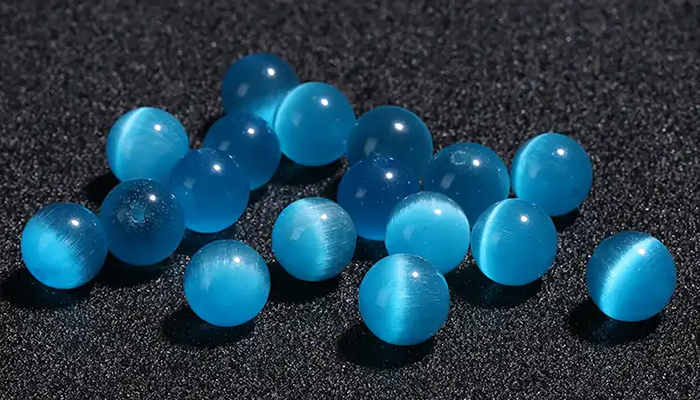
Aquamarine displays a spectrum of blue tones, from soft pastel shades to deep vivid hues. Clarity is often high, with minimal inclusions compared to other beryl varieties. Some stones exhibit pleochroism, showing different shades of blue when viewed from various angles, adding visual interest and uniqueness. Experts classify aquamarine based on color intensity, clarity, and cut quality, which helps buyers understand rarity and value. These characteristics highlight the gemstone’s elegance and versatility, ensuring that each piece has its own distinctive appeal.
Uses and Cultural Significance
Aquamarine has long been cherished for both its beauty and symbolic meaning. In jewelry, it is used in rings, necklaces, bracelets, and earrings, admired for its serene blue tones and clarity. Historically, aquamarine has symbolized calmness, courage, and protection, often worn by sailors or used in talismans. Beyond ornamental purposes, it is valued by collectors and studied by gemologists for its formation and properties. Appreciating both practical and symbolic aspects of aquamarine highlights why it remains one of the most beloved and enduring gemstones in the world.